Acupuncture
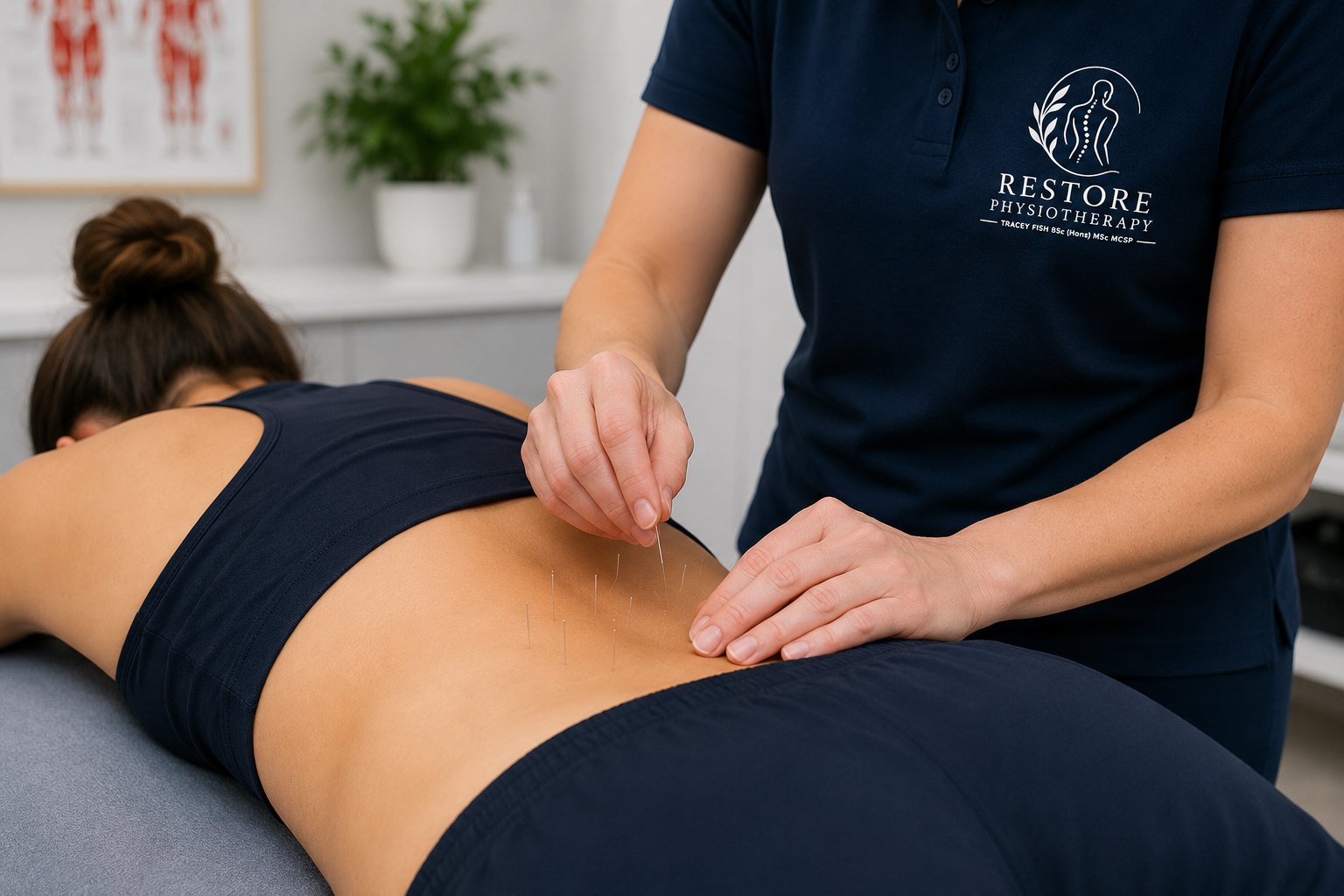
Acupuncture is a safe and effective treatment technique that involves the insertion of very fine, sterile, single-use needles into specific points on the body to help relieve pain, promote healing, improve function and support overall wellbeing.
Modern Western Medical Acupuncture is based on contemporary scientific understanding of anatomy, physiology and neuroscience. It may help stimulate the nervous system, encourage the release of natural pain-relieving chemicals, improve circulation, reduce muscle tension and influence the way pain signals are processed.
Acupuncture can support:
- Neck and back pain
- Shoulder pain
- Muscle tension
- Arthritis and joint pain
- Tendon injuries and tendinopathies
- Chronic and persistent pain conditions
Acupuncture is often combined with other physiotherapy interventions as part of a personalised treatment programme.

Vestibular Rehabilitation
Vestibular rehabilitation is a specialised form of physiotherapy used to assess and treat dizziness, vertigo, balance disorders and conditions affecting the inner ear and vestibular balance system.
What is BPPV?
Benign Paroxysmal Positional Vertigo is one of the most common causes of dizziness and vertigo. It can occur when tiny calcium carbonate crystals within the inner ear become displaced and move into one of the balance canals, disrupting normal balance signals.
Symptoms may be triggered by:
- Rolling over in bed
- Getting into or out of bed
- Looking up towards a shelf or ceiling
- Bending down
- Sudden head movements
- Turning quickly
Treatment may include positional testing, canalith repositioning manoeuvres such as the Epley manoeuvre, balance exercises, gaze stabilisation, habituation exercises and falls prevention strategies.
Chronic Pain and Holistic Rehabilitation
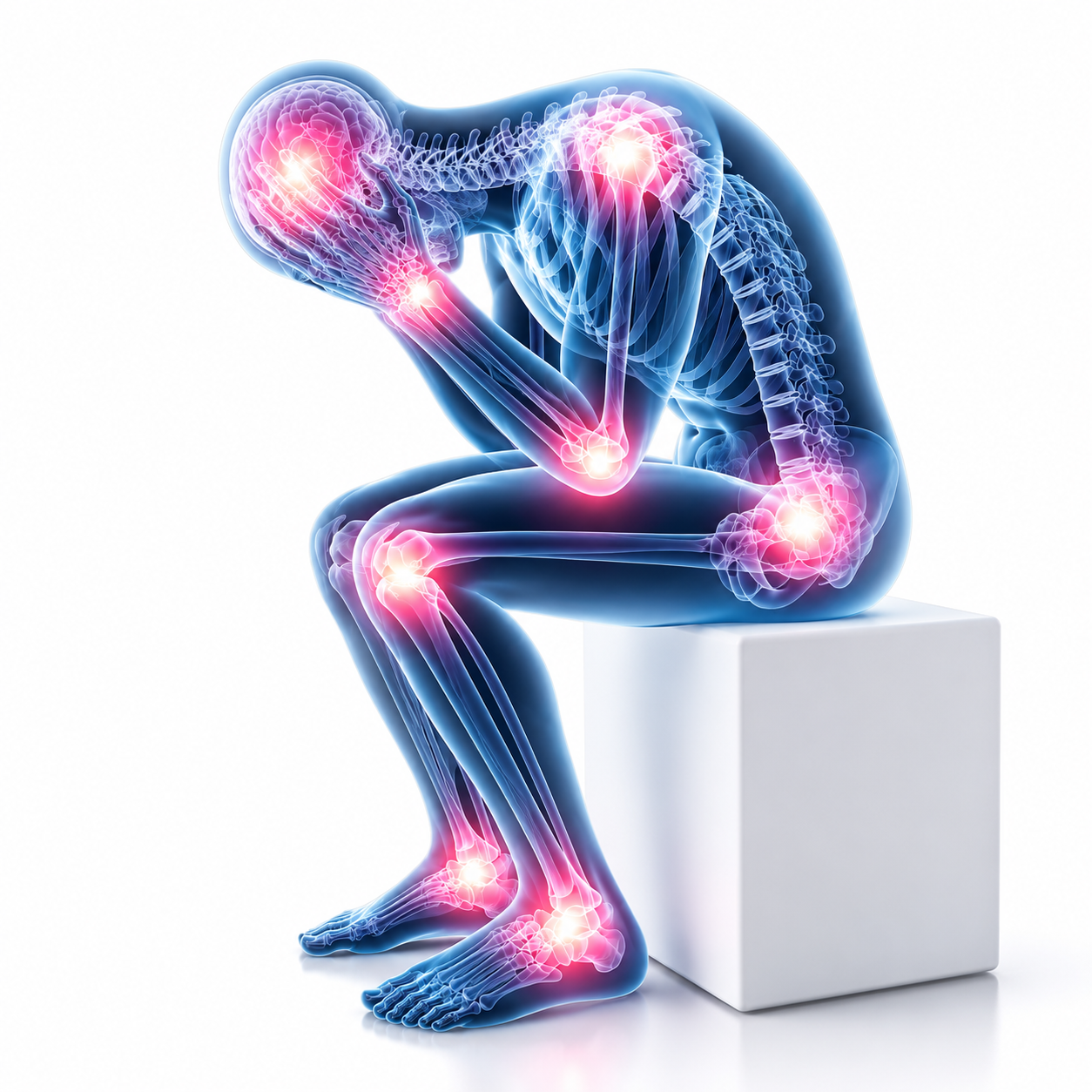
Chronic pain is pain that persists beyond the normal healing time of an injury or condition, typically lasting for more than three months. Persistent pain can affect physical activity, work, sleep, mood, confidence and overall wellbeing.
A holistic biopsychosocial approach recognises that pain is influenced by physical, psychological and social factors. Understanding these influences can help develop effective strategies to manage symptoms, improve function and regain confidence in movement.
Treatment may include:
- Acupuncture
- Soft tissue mobilisation
- Exercise rehabilitation
- Functional movement retraining
- Pain-science-informed education
- Graded activity programmes
- Pacing and energy management
- Relaxation and breathing techniques
- Goal setting and self-management strategies